Practice area
Dog bite & animal attack cases
California law is unusually clear here: dog owners are strictly liable when their dog bites someone in public or lawfully on private property. No "one free bite." No proving the owner knew.
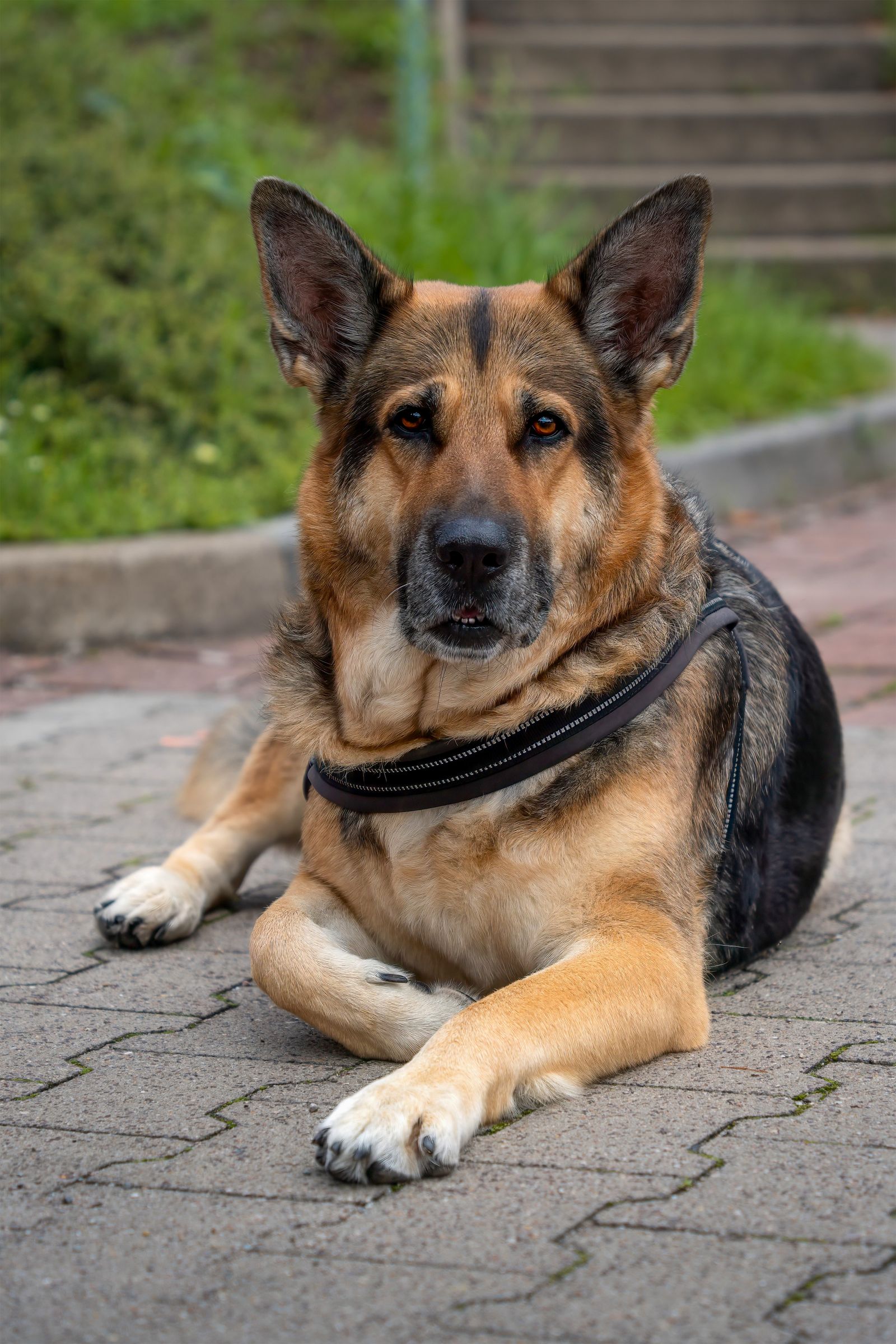
Strict liability, explained
Under California's dog bite statute, a bite victim doesn't have to prove the owner was careless or that the dog had bitten before — ownership plus a bite generally equals liability. Defenses are narrow (trespass, provocation, certain working-dog situations). Beyond bites, attacks that injure without a bite — a large dog knocking down a child or a cyclist — proceed on negligence theories, and prior aggressive behavior becomes relevant there.
Why these cases are undervalued — and shouldn't be
- Scarring is a permanent damage. Facial scarring, especially in children, involves revision surgeries timed over years of growth, and its non-economic value is substantial. An offer made before a plastic surgeon has projected future revisions is an offer made too early.
- Nerve and deep-tissue injury. Bites crush as well as cut; loss of sensation and function often surfaces after the wounds close.
- Psychological injury is real injury. Post-attack anxiety, nightmares, and fear of animals — again, especially in kids — are compensable and should be treated, documented, and claimed.
- Who usually pays. These claims are typically paid by the owner's homeowner's or renter's insurance — which means pursuing the claim usually doesn't bankrupt a neighbor, and dog-owner defendants are often more sympathetic to resolution than they first appear. It also means an insurer and its playbook are involved from the start.
Children's cases
Most serious bite victims are kids. Minors' settlements in California involve court approval designed to protect the child, and the statute of limitations is tolled during minority — but evidence isn't: photographs of the injuries as they heal, animal control reports, and witness accounts should be captured now.
What to do now
Get medical care and follow wound-care instructions (infection is the immediate risk), report the attack to animal control (the report also documents the case), photograph injuries at every healing stage, identify the dog and owner, and don't give the owner's insurer a recorded statement before we talk.
Common questions
The dog's owner is my neighbor and I don't want to ruin them. Should I still bring a claim?
This concern stops more valid claims than any legal defense. In practice, the claim is against their homeowner's or renter's insurance policy — the coverage they've been paying for precisely in case this happened. It's worth a conversation before you absorb the medical bills yourself.
The owner says my child provoked the dog.
Provocation is a defense insurers reach for reflexively in child cases, and when an insurer claims a young child provoked a dog, the child's age and understanding matter. Don't let that assertion go unanswered.
It wasn't a bite — the dog knocked me off my bike. Is that a case?
Potentially yes, on a negligence theory: leash-law violations and a dog running at large are strong evidence. The strict-liability statute covers bites, but it isn't the only path to recovery.

Bitten or attacked? Talk it through — free
Jake reviews every case submission. If it looks like one he may be able to help with, he or a member of his team will contact you.