Practice area
Premises liability cases
Property owners who profit from your presence owe you reasonably safe premises. When they fail — a fall, a falling object, a preventable assault — the case turns on what they knew and when.
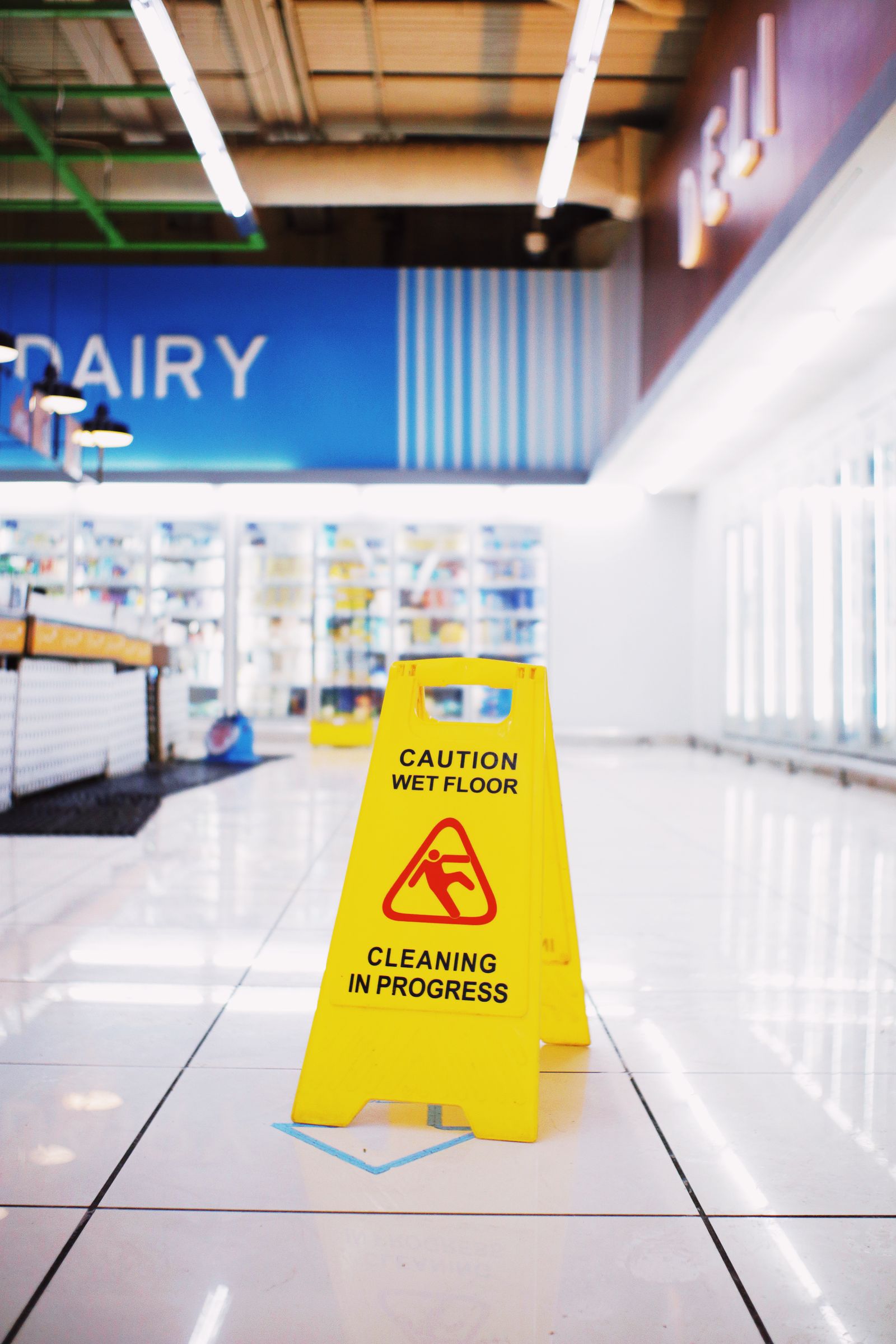
The real fight: notice
"Slip and fall" undersells what these cases are. The legal question is rarely whether you fell — it's whether the owner knew, or should have known, about the hazard and failed to fix or warn. That's proven with the owner's own paper: sweep logs and inspection schedules, maintenance and repair records, prior incident reports, employee statements, and surveillance video. Getting a preservation demand out before video is overwritten — often in days — is the most valuable thing a lawyer does early in these cases.
Cases I handle
- Falls — liquid on a market floor, broken stairs and handrails, unmarked elevation changes, parking-lot potholes and lighting failures.
- Falling merchandise and fixtures — warehouse-store stacking and unsecured displays.
- Negligent security — assaults in parking structures, complexes, and venues where prior crime made the risk foreseeable and the owner skimped on lighting, patrols, or access control.
- Dangerous conditions of public property — sidewalks, parks, government buildings. Warning: claims against public entities carry a six-month government claim deadline. If a public entity might be involved, treat the timeline as an emergency.
- Swimming pool and amenity injuries — fencing, gates, and supervision failures.
What the defense will say — and the answer
Every premises case draws the same three defenses: the hazard was "open and obvious," you weren't watching where you were going (comparative fault), and "we had no notice." Each can be met with evidence: human-factors reality about where people actually look, the owner's own inspection policies versus what was done, and the paper trail of prior complaints. This is why the case is investigated like it's going to trial from day one.
What to do now
Photograph the scene and the hazard (or send someone today), keep the shoes and clothes unwashed, report the incident in writing and get a copy, identify witnesses, and get medical care. Then call — the video-preservation window is short and unforgiving.
Common questions
The store says I should have seen the hazard. Case over?
No — that's a comparative-fault argument, which reduces rather than eliminates recovery in California, and it's frequently wrong on the facts. Shoppers are invited to look at shelves, not floors; the law accounts for that.
I fell at a rental property I live in. Can I bring a claim against my landlord?
Potentially yes, where the injury came from a condition the landlord controlled or should have repaired — common areas, stairs, railings, known defects reported and ignored. Your written repair requests become key evidence.
The incident was "on camera" but the business won't give me the video.
Businesses almost never voluntarily hand video to an unrepresented claimant. A preservation demand followed by litigation discovery is how it's obtained — and destroyed-after-notice video can itself become powerful evidence against the defendant.
Hurt on someone's property? Preserve the evidence — free consult
Jake reviews every case submission. If it looks like one he may be able to help with, he or a member of his team will contact you.